Allgemein

Unser Plan auszuwandern und die Umsetzung, Teil 5/Our plan to emigrate and its implementation, part 5 (English version below)

07. Juli 2026 Marietta Christ

pxl_20260527_1714078355140088395043021934

Es gibt Neuigkeiten: Der Kauf-Vertrag für das Grundstück wird am Mittwoch, den 08. Juli 2026, endlich von beiden Parteien bzw. deren Bevollmächtigten unterzeichnet.

Kurz vor unserem Urlaub, Mitte Mai, rief uns unser Rechtsanwalt an und teilte uns mit, dass die Bank nun alle geforderten Dokumente vom Verkäufer hätte, um ein griechisches Konto für den US-Staatsbürger zu eröffnen. Aber leider nicht genug Personal dafür. Es könne sich nur noch um einige Tage handeln und damit dann alles schnell gehen kann, sollen wir doch schon mal die Grunderwerbssteuer zahlen.

Gemäß seinen An- und Vorgaben tat ich das umgehend, waren knapp 4 Tsd Euro!

Tja und dann, kam erstmal nichts.

Er erhielt über den Makler die Info, dass der Verkäufer jetzt noch eine steuerliche Unbedenklichkeitsbescheinigung von der US Behörde für die gr. Bank beibringen müsse.

Zwischenzeitlich waren wir auf Kos, konnten aber unsere Pläne mit Bauleitung usw. nicht umsetzen, weil das Grundstück ja noch immer nicht in unserem Eigentum war.

Statt dessen stellten wir zwei Änderungen dort fest:

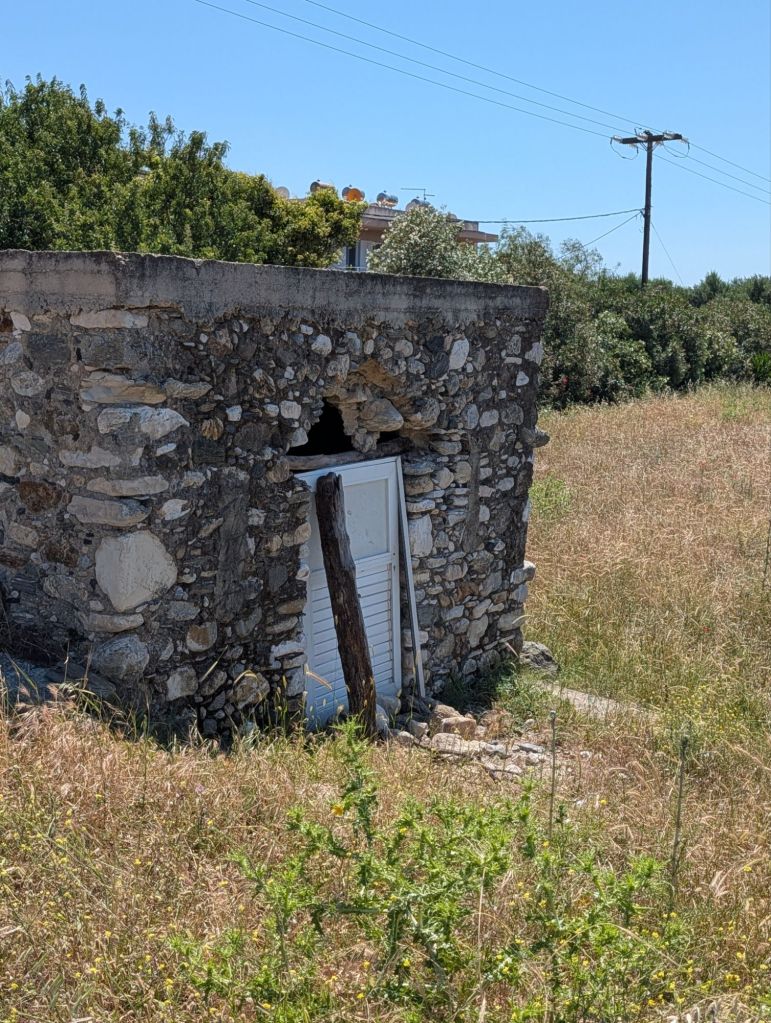
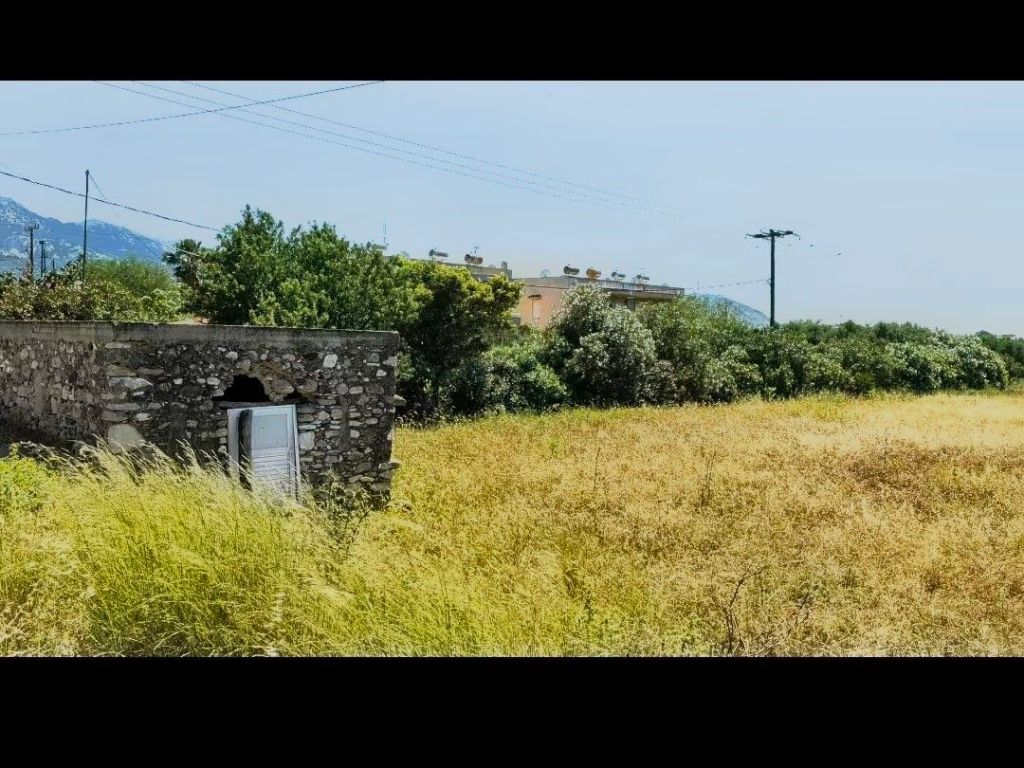
  • Der Türsturz des Lagerhäuschen war herausgebrochen und auch einige Wandsteine
pxl_20260526_1152208732829990860532815847
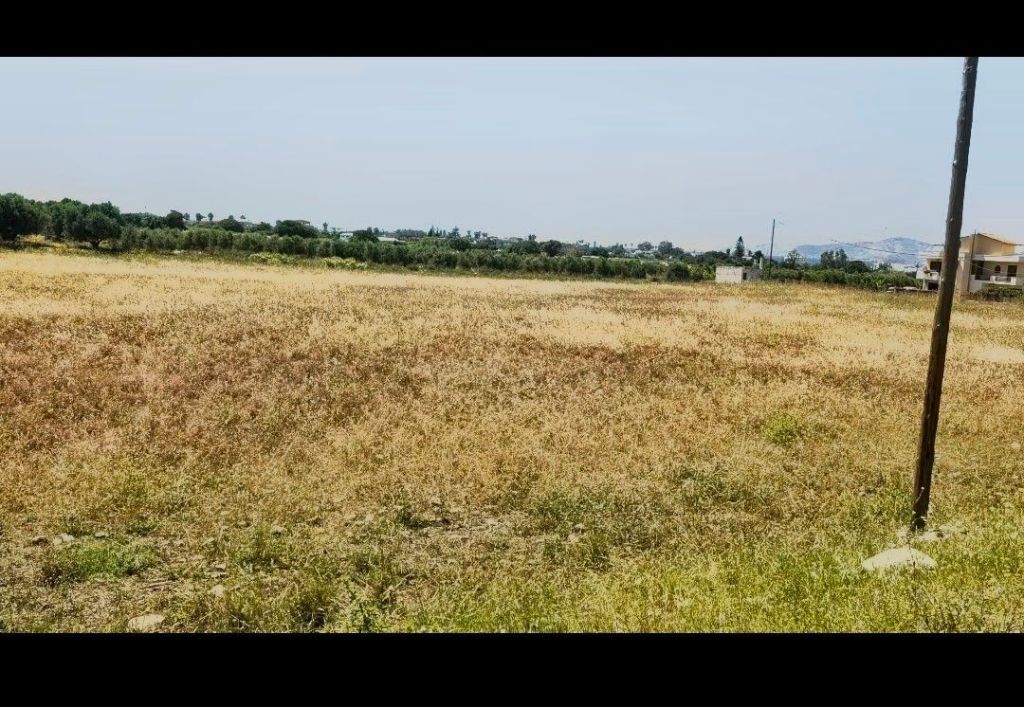
  • Ein Schäfer, der uns mit dem „bösen Blick“ wohl versuchte zu „verhexen“, ließ seine Schaf- und Ziegenherde auf dem Grundstück ungehindert grasen. Als ich versuchte, die Substanz des Häuschens etwas zu testen, wurde ich von 2 Ziegen „dumm angemacht“. Sie schienen mich wohl zu beschimpfen 😉
    So sah das Grundstück aus, bevor die Tiere weideten
screenshot_20260707-1533202493934774239870866.
screenshot_20260707-153253~22865398426848433347.

Den einzigen Termin, den wir tatsächlich wahrnehmen konnten und der aber unterm Strich nicht viel gebracht hatte, war das 1 stündige Gespräch mit dem Generali KV Makler.

Also genossen wir einmal unseren Urlaub ohne viel Termine!

Endlich, nach weiteren 3 Wochen, wir waren wieder Zuhause, rief uns unser Anwalt an und informierte uns, dass das Steuerdokument bei der Bank eingegangen sein.

Letzten Freitag kam dann der Vertragsentwurf, den ich mit unserem Rechtsanwalt telefonisch durchgegangen bin.

Aufgrund der vielen Bauvorschriften, die seit 2023 geändert und erweitert wurden, wollte ich von ihm die Gewissheit, dass wir auf dem Grundstück wirklich bauen dürfen.

Und dann der nächste Rückschlag: Ja, der Ingenieur hat es im Vertrag eidesstattlich versichert, aber die Baugenehmigung sollten wir forcieren, so dass wir diese noch 2026 erhalten, denn 2027 soll es noch strengere Vorschriften geben. Natürlich dürften wir dann rechtlich mit Schadenersatzansprüche gegen den Ingenieur vorgehen, falls die Genehmigung in 26 nicht erteilt werden würde. Sollte die Bürokratie sich jedoch bis 2027 Zeit lassen und dann ablehnen, hätten wir wohl verloren!

Jeder, der die Mentalität und die Langsamkeit der griechischen Bürokraten kennt, weiß, dass mit Druck überhaupt nichts funktioniert.

Ich habe dann am Freitag gleich mal Geld an unseren Anwalt überwiesen, das er beim Termin dem Notar bar übergeben muss. Denn dieser müsse damit beim Katasteramt und noch anderen Stellen für Marken und sonstigem „Kleinkram“ bar bezahlen. Dafür gäbe es auch leider keine Quittung.

Morgen, spätestens Donnerstag, muss ich dann die Notargebühren überweisen und nochmals einen ähnlichen Betrag an unseren Anwalt, weil dann weitere Gebühren ans Katasteramt fallig werden (nennt sich RF), diese Überweisung muss aber von einem griechischen Konto erfolgen und das haben wir ja noch nicht.

Warum alles so umständlich?

Genauso wie bei dem Namen des Verkäufers! Der steht im Vertrag so, wie in seinem amerikanischen Pass aufgeführt. ABER, als Kontoinhaber wird er mit seinem Geburtsnamen, also wie auf der Geburtsurkunde vermerkt, geführt. Ob da nicht auch Willkür dahinter steckt?

Aber ich will mich nicht beschweren – es geht weiter, juhu!

Habe natürlich gleich unseren Bauleiter informiert, der jetzt erstmal noch zwei Wochen in Urlaub ist. Aber dann soll ich ihm den Vertrag und den topographischen Plan zumailen, damit er im vereinfachten Verfahren – sollte nur wenige Tage dauern – die Genehmigung zur Erstellung eines Zaunes mit Tor bekommen kann.

Mal schauen, ob der Zaun dann steht, wenn wir Ende September wieder nach Kos fliegen. – Wie wird der arme Schäfer das aufnehmen? Ein Zaun – wohin mit seinen Tieren? Ich nehme die kleinen Zicklein gerne in meine Obhut, mit den anderen kann er sich ein anderes Feld suchen!

Bleibt dran, liebe Leser, es wird spannend und vor allem auch ereignisreich. Wir brauchen nun auch ein neues Angebot der Fertighausfirma, das hoffentlich nicht unser Limit sprengt, und, für die Übergangszeit, ein Mietobjekt.

2 wurden uns schon angeboten – 45 qm für 750,- inkl.NK und 160 qm für 2 Tsd inkl. NK. Was glaubt ihr, welche Entscheidung wir getroffen haben???

_______________________________________________

There’s some news: The purchase agreement for the property will finally be signed by both parties—or their authorized representatives—on Wednesday, July 8, 2026.

Shortly before our vacation, in mid-May, our lawyer called us and told us that the bank now had all the required documents from the seller to open a Greek bank account for the U.S. citizen. But unfortunately, they didn’t have enough staff to handle it. It might only be a matter of a few more days, and so that everything could move quickly, we should go ahead and pay the real estate transfer tax.

Following his instructions, I did so immediately—it came to just under 4,000 euros!

Well, and then… nothing happened for a while.

He received word from the real estate agent that the seller now had to provide the Greek bank with a tax clearance certificate from the U.S. tax authorities.

In the meantime, we were on Kos, but we couldn’t carry out our plans for construction management and so on because the property still wasn’t in our name.

Instead, we noticed two changes there:

The lintel of the storage shed had been broken off, and some wall stones

A shepherd, who was apparently trying to “cast a spell” on us with the “evil eye,” let his flock of sheep and goats graze freely on the property. When I tried to check the condition of the shed, I was “bothered” by two goats. They seemed to be scolding me 😉

The only appointment we were actually able to keep—and which, in the end, didn’t amount to much—was the one-hour meeting with the Generali KV broker.

So for once, we enjoyed our vacation without a lot of appointments!

Finally, after another three weeks—we were back home—our lawyer called us and informed us that the tax document had been received by the bank.

Last Friday, the draft contract finally arrived, and I went over it with our lawyer over the phone.

Given the many building codes that have been amended and expanded since 2023, I wanted him to confirm that we are actually allowed to build on the property.

And then came the next setback: Yes, the engineer had provided a sworn statement to that effect in the contract, but we should expedite the building permit application so that we receive it by 2026, because even stricter regulations are expected to take effect in 2027. Of course, we’d then be legally entitled to file a claim for damages against the engineer if the permit weren’t granted in 2026. However, if the bureaucracy dragged its feet until 2027 and then rejected the application, we’d probably be out of luck!

Anyone familiar with the mentality and sluggishness of Greek bureaucrats knows that applying pressure doesn’t work at all.

So on Friday, I immediately transferred money to our lawyer, which he has to hand over in cash to the notary at the appointment. This is because the notary needs to use it to pay in cash at the Land Registry Office and other agencies for stamps and other “small expenses.” Unfortunately, there’s no receipt for this.

Tomorrow, or Thursday at the latest, I’ll have to transfer the notary fees and another similar amount to our lawyer, because additional fees will be due to the Land Registry Office (called RF); however, this transfer must be made from a Greek bank account, which we don’t have yet.

Why is everything so complicated?

It’s exactly the same with the seller’s name! It’s listed in the contract exactly as it appears on his American passport. BUT, as the account holder, he’s registered under his birth name—that is, as it appears on his birth certificate. Could there be some arbitrariness behind this?

But I don’t want to complain—things are moving forward, yay!

Of course, I immediately informed our construction manager, who’s still on vacation for another two weeks. But then I’m supposed to email him the contract and the topographic plan so he can get approval to build a fence with a gate through a simplified process—which should only take a few days.

We’ll see if the fence is up by the time we fly back to Kos at the end of September. — How will the poor shepherd take this? A fence—where will he put his animals? I’d be happy to take the little goats into my care; as for the others, he can find another field!

Stay tuned, dear readers—it’s going to be exciting and, above all, eventful. We now also need a new quote from the prefab home company—hopefully one that doesn’t exceed our budget—and, for the interim, a rental property.

We’ve already been offered two options—45 square meters for 750, including utilities, and 160 square meters for 2,000, including utilities. What do you think—which one did we choose?

Translated with DeepL.com (free version)
Allgemein

Unser Plan auszuwandern und die Umsetzung, Teil 4/Our plan to emigrate and its implementation, part 4 (English version below)

Marietta Christ

Ganz allmählich entwickelt sich unser Traum vom Grundstückskauf und Fertighaus Bau zum leichten Albtraum.

Nachdem unser Anwalt mich letzte Woche anrief, um mir die Daten zur Zahlung der Steuer mitzuteilen, was ich auch umgehend tat, waren wir zuversichtlich, dass der Kaufvertrag nun in Kürze unterzeichnet werden würde.

Wir haben daraufhin am Montag unserem Architekten sowie der Fertighausfirma unseren Haus-Entwurf zugemailt.

Kurz darauf teilte uns die Fertighausfirma mit, dass sie die Preise nicht mehr halten könne und ihr, uns vorliegendes Angebot, um 8 % erhöhen müsse. Gestern Abend informierten sie uns nochmals, dass sie wiederum Preissteigerungen bei den Materialien bekommen hätten und uns deshalb den neuen Preis nur noch bis 8.5.26 anbieten können.

Trotz der Erklärung, warum wir uns nicht bis zu diesem Termin entscheiden können, blieben sie unbeeindruckt und teilten uns mit, sollten wir das aktuelle Angebot nicht annehmen können, müssen sie komplett neu kalkulieren.

Tja, was nun tun?

Wir sprachen mit dem Makler, der auch die Vollmacht des Verkäufers zur Vertragsunterzeichnung hat. Dieser meinte aber nur, solange das notwendige Bankformular aus den USA der griechischen Bank nicht vorliegt, könne er den Kauf nicht beschleunigen. Dies wäre aber für die nächste Woche zugesagt und dann läge es nur noch an der Bank, wie lange diese für die Verifizierung des Kontos benötige.

Parallel dazu führte ich mehrere Gespräche mit unserem Anwalt, der daraufhin mehrmals mit dem Notar telefonierte. Dieser ist nicht bereit, was auch verständlich und rechtlich so korrekt ist, einen Vertrag zu beurkunden, ohne eine ordentliche Bankverbindung des Verkäufers. Eine Art Treuhandkonto, wie es hier in Deutschland üblich ist, scheint der griechische Notar nicht zu haben. Ob es trotzdem möglich ist, wurde mir leider nicht vermittelt.

Daraufhin habe ich dem Makler nochmals geschrieben und meinen Unmut kund getan, denn wie kann es sein, dass wir Mehrkosten beim Hausbau haben werden, nur weil der Verkäufer ein Formular, das er jährlich seiner gr. Bank vorlegen muss, nicht rechtzeitig bei bringt. Er weiß seit 7 Monaten, dass wir das Grundstück erwerben wollen.

Man glaubt es kaum – ich bekam direkt eine automatisierte Nachricht, dass der Makler, aufgrund des 1. Mai 2026, sein Büro geschlossen hat und vorübergehend nicht erreichbar ist.

In 3 Wochen sind wir wieder auf Kos, bis dahin wird hoffentlich der Kaufvertrag unterzeichnet sein und wir können wenigstens mit einigen wichtigen Personen eine Begehung des Grundstücks machen, auch wenn das Angebot für das Haus „geplatzt“ ist.

Ich muss mich wohl unbedingt an die griechische Mentalität gewöhnen, ist besser für meine Nerven, obwohl ich gerade am liebsten eine „verbale Bombe“ auf Verkäufer und Makler werfen möchte.

Bleibt dran und seid gespannt, wann und wie es weitergehen wird, und wieviele Steine wir noch aus dem Wege räumen müssen.

_______________________________________________

Little by little, our dream of buying a plot of land and building a prefab home is turning into a mild nightmare.

After our lawyer called me last week to give me the details for paying the tax—which I did right away—we were confident that the purchase agreement would be signed shortly.

We then emailed our house design to our architect and the prefab home company on Monday.

Shortly thereafter, the prefab home company informed us that they could no longer maintain the prices and would have to increase their current offer to us by 8%. Last night, they informed us again that they had received further price increases for materials and could therefore only offer us the new price until May 8, 2026.

Despite our explanation of why we cannot make a decision by that date, they remained unmoved and told us that if we cannot accept the current offer, they will have to recalculate everything from scratch.

Well, what to do now?

We spoke with the real estate agent, who also holds the seller’s power of attorney for signing the contract. However, he simply said that as long as the necessary bank form from the U.S. had not been received by the Greek bank, he could not expedite the purchase. This was expected to arrive next week, after which it would be entirely up to the bank to determine how long it would take to verify the account.

At the same time, I had several conversations with our lawyer, who then spoke with the notary on the phone several times. The notary is not willing—which is understandable and legally correct—to notarize a contract without the seller’s proper bank details. The Greek notary does not seem to have a type of escrow account, as is customary here in Germany. Unfortunately, I was not told whether it is still possible.

I then wrote to the real estate agent again to express my frustration, because how is it possible that we’ll incur additional costs in building the house just because the seller didn’t submit a form—which he’s required to provide to his Greek bank annually—on time? He’s known for seven months that we want to purchase the property.

It’s hard to believe—I immediately received an automated message stating that the real estate agent had closed his office due to May 1, 2026, and is temporarily unavailable.

We’ll be back on Kos in three weeks; by then, hopefully, the purchase agreement will have been signed, and we can at least conduct a site visit with some key people, even if the offer on the house has “fallen through.”

I really need to get used to the Greek mentality; it’s better for my nerves, even though right now I’d love to drop a “verbal bomb” on the seller and the real estate agent.

Stay tuned and keep an eye out for when and how things will proceed, and how many more hurdles we’ll have to clear.

Little by little, our dream of buying a plot of land and building a prefab home is turning into a mild nightmare.

After our lawyer called me last week to give me the details for paying the tax—which I did right away—we were confident that the purchase agreement would be signed shortly.

We then emailed our house design to our architect and the prefab home company on Monday.

Shortly thereafter, the prefab home company informed us that they could no longer maintain the prices and would have to increase their current offer to us by 8%. Last night, they informed us again that they had received further price increases for materials and could therefore only offer us the new price until May 8, 2026.

Despite our explanation of why we cannot make a decision by that date, they remained unmoved and told us that if we cannot accept the current offer, they will have to recalculate everything from scratch.

Well, what to do now?

We spoke with the real estate agent, who also holds the seller’s power of attorney for signing the contract. However, he simply said that as long as the necessary bank form from the U.S. had not been received by the Greek bank, he could not expedite the purchase. This was expected to arrive next week, after which it would be entirely up to the bank to determine how long it would take to verify the account.

At the same time, I had several conversations with our lawyer, who then spoke with the notary on the phone several times. The notary is not willing—which is understandable and legally correct—to notarize a contract without the seller’s proper bank details. The Greek notary does not seem to have a type of escrow account, as is customary here in Germany. Unfortunately, I was not told whether it is still possible.

I then wrote to the real estate agent again to express my frustration, because how is it possible that we’ll incur additional costs in building the house just because the seller didn’t submit a form—which he’s required to provide to his Greek bank annually—on time? He’s known for seven months that we want to purchase the property.

It’s hard to believe—I immediately received an automated message stating that the real estate agent had closed his office due to May 1, 2026, and is temporarily unavailable.

We’ll be back on Kos in three weeks; by then, hopefully, the purchase agreement will have been signed, and we can at least conduct a site visit with some key people, even if the offer on the house has “fallen through.”

I really need to get used to the Greek mentality; it’s better for my nerves, even though right now I’d love to drop a “verbal bomb” on the seller and the real estate agent.

Stay tuned and keep an eye out for when and how things will proceed, and how many more hurdles we’ll have to clear.

Translated with DeepL.com (free version)
Allgemein

Unser Plan auszuwandern und die Umsetzung, Teil 3/Our plan to emigrate and its implementation, part 3 (English version below)

Marietta Christ

So, langsam aber sicher geht es weiter. Wie ein alter Spruch sagt „mühsam ernährt sich das Eichhörnchen“. Oder auf griechisch „siga-siga!“

Endlich dürfen wir die Grunderwerbsteuer zahlen. Unser Anwalt hat nun alle Daten und Zahlen, sodass er diese online eingeben und mir die entsprechenden Nummern und Beträge zur Zahlung übermitteln kann. Dann muss ich sofort diese Steuer zahlen, denn sie MUSS innerhalb von 3 Tagen auf dem Konto des Finanzamtes sein. Sollte das schief gehen, müsste ein komplett neuer Vorgang gestartet werden, was 1. wieder unendlich lange dauert und 2. wir müssten nachforschen lassen, wohin unser Geld verschwunden ist.

Und schon zeigt sich ein weiteres „Problemchen“ – es gibt nämlich keinen genauen Zahlungsempfänger. Da die Banken ohne den korrekten Namen keine Überprüfung vornehmen können und deshalb auch jegliche Verantwortung ablehnen, kann ich nur hoffen, unser Geld landet wirklich auf dem Konto des Finanzamtes in Athen. Aber „no risk – no fun“.

Wenn man einen Kauf in Griechenland tätigen möchte, muss man viel Geduld mitbringen. Das haben wir inzwischen gelernt, obwohl immer mal wieder die deutsche Ungeduld durchkommt.

Als nächstens wird uns unser Anwalt den Entwurf des Kaufvertrages übersetzt zusenden, falls wir noch Fragen haben. In der Zwischenzeit muss das gr. Bankkonto des Verkäufers noch verifiziert werden, weil dieser in den USA lebt. Erst dann kommt der Notartermin zustande.

Der Unterschied zum Immobilienkauf in Deutschland ist, dass in Griechenland mit Vertragsunterschrift der Eigentumsübergang bereits erfolgt. Auch wenn wir zur Zahlung noch 10 Tage Zeit haben und der Eintrag im Grundbuch Monate bis zu einem Jahr dauert, was zwischenzeitlich auch in Deutschland so ist, dürfen wir uns als Grundstückseigentümer sehen und alle weiteren Schritte bereits in die Wege leiten.

Zuerst muss nun die von uns ausgewählte griechische Fertigbaufirma ihr OK geben, für die von uns ausgesuchte Hausform – eine Art Hufeisen. Sollte dies nicht funktionieren, aus welchen Gründen (technisch oder preislich) auch immer, werden wir uns für eine U- oder L-Form letztendlich entscheiden. Erst dann kann ich einen Entwurf zeichnen, den unser Architekt erhält, zur Prüfung und Erstellung des endgültigen Hausplans sowie allen sonstigen erforderlichen Unterlagen, um den Bauantrag zu stellen. Die Baugenehmigung dauert erfahrungsgemäß zwischen 4 Monaten und 2 Jahren. Also erneut: Siga-Siga!

Zwischenzeitlich werden wir uns auf Kos, beim nächsten Urlaub, eine griechische SIM Karte holen, Gespräche mit verschiedenen Expats führen, Preise für Möbel, Pflanzen und Roller einholen, und einen Handwerker suchen, der uns das bereits vorhandene 50 qm Häuschen, das vor 1948 gebaut wurde, soweit renoviert, dass wir es als Lager nutzen können. Dazu kommen Termine mit Bauleiter, Architekt und Photovoltaik-Anbieter am Grundstück sowie einen Termin mit einem Versicherungs-Makler wegen Zusatz KV und den notwendigen Versicherungen, die wir wegen dem Bau benötigen sowie KFZ Versicherung. Und am Schluß vereinbart unser Anwalt noch einen Termin mit einem deutschsprachigen Steuerberater/Buchhalter. Viel Zeit zum Entspannen werden wir da leider nicht haben, aber es muss ja alles geregelt werden.

Wir waren in der Zwischenzeit natürlich nicht untätig und haben bereits nachstehend aufgeführte Dinge angefangen oder auch teilweise bereits erledigt:

Erbvertrag – muss geändert werden, denn sonst gilt ausschließlich griechisches Erbrecht

2 Generalvollmachten mit Betreuungs- sowie Patientenverfügungen erstellen lassen

Bestattungswünsche handschriftlich festhalten, die dann den notariellen Vollmachten hinzugefügt werden

All diese Unterlagen benötigen noch Apostillen des Amtsgerichtes und werden dann von unserer Dolmetscherin im Original mit Übersetzung beim Gr. Konsulat in Frankfurt beglaubigt werden.

Unsere Führerscheine sowie Personalausweise und Reisepässe werden im Sommer verlängert bzw. erneuert.

Mit unseren Krankenkassen, meiner GKV und der PKV meines Mannes, wurde bereits vereinbart, dass wir weiterhin in die Pflegekasse einzahlen und sobald der Umzugstermin fest steht, erhalte ich ein S1 Formular für Griechenland, damit ich weiterhin mit der deutschen GKV abgerechnet werden kann. Aber da die privaten Ärzte und Krankenhäuser eine bessere Versorgung anbieten und schneller Termine vergeben, werde ich meine ZusatzKV entsprechend erweitern. Außerdem sind die Preise, auch in den Apotheken, um einiges geringer, als in Deutschland, so dass mich z.B. eine Augenarztkontrolle gerade einmal 80,- Euro kostet. Mein Original Blutdruckmedikament erhalte ich ohne Rezept und es kostet knapp 45 Euro, während ich in D für das genau gleiche, denn es wird von GR importiert, 110 Euro zahlen muss.

Eine ADAC Plus Mitgliedschaft haben wir bereits, denn diese würde uns im Notfall mit dem Heli nach D zurück holen.

Wir haben u.a. außer dem deutschsprachigen Augenarzt, zwei deutschsprachige Hausärzte und Internisten, einen englischsprechenden Orthopäden und einen englischsprechenden Zahnarzt kennengelernt.

Wo die nächsten Krankenhäuser sowohl für gesetzlich als auch privatversicherte liegen, wissen wir, auch wo die neue Radiologiepraxis für privat Versicherte ist. Sicherheitshalber haben wir uns schon alle Notfallnummern aufnotiert.

Für Rentner, die umsiedeln wollen, gibt es bei Amazon ein sehr interessantes und nützliches Buch, leider, meines Erachtens, etwas zu dick, weil sich viele Infos mehrmals wiederholen. Hier der Link: Auswandern nach Griechenland: Der große Praxisratgeber für Rentner: Steuern, Gesundheit, Immobilien, Alltag & Lebensqualität im Süden: Der große … & Lebensqualität im Süden (Auswanderer) : Prem, J.F.X.: Amazon.de: Bücher (kostenlose Werbung!)

Wie es nun Step by Step weitergeht und welche Erfahrungen wir machen werden bzw. was noch auf uns zu kommt und wir noch nicht bedacht haben, werde ich euch weiterhin in meinen Blog erzählen.

Habt ihr spezielle Fragen, schreibt mir bitte in den Kommentaren. Vielleicht kann ich diese bereits beantworten und falls nicht, vielleicht kenne ich zwischenzeitlich jemanden, der es kann.

______________________________________________

So, slowly but surely, things are moving forward. As the old saying goes, “Slow and steady wins the race.” Or, as they say in Greek, “siga-siga!”

Finally, we get to pay the real estate transfer tax. Our lawyer now has all the data and figures, so he can enter them online and send me the relevant reference numbers and amounts for payment. Then I have to pay this tax immediately, because it MUST be in the tax office’s account within 3 days. If that goes wrong, a completely new process would have to be started, which 1. takes forever again and 2. we’d have to have an investigation into where our money went.

And already another “little problem” has cropped up—namely, there’s no exact payee. Since the banks cannot verify the transaction without the correct name and therefore decline any responsibility, I can only hope that our money actually ends up in the tax office’s account in Athens. But “no risk, no fun.”

If you want to make a purchase in Greece, you have to be very patient. We’ve learned that by now, even though our German impatience still comes through every now and then.

Next, our lawyer will send us a translated draft of the purchase agreement in case we have any further questions. In the meantime, the seller’s Greek bank account still needs to be verified, since he lives in the U.S. Only then can the notary appointment take place.

The difference from buying real estate in Germany is that in Greece, ownership is transferred as soon as the contract is signed. Even though we still have 10 days to make the payment and the entry in the land registry takes months to a year—which is now also the case in Germany—we can consider ourselves property owners and already set all further steps in motion.

First, the Greek prefab company we selected must give its approval for the house design we chose—a horseshoe shape. If this doesn’t work out, for whatever reason (technical or financial), we will ultimately opt for a U- or L-shape. Only then can I draw up a draft, which our architect will receive for review and to create the final house plan as well as all other necessary documents to submit the building application. Based on experience, the building permit process takes between 4 months and 2 years. So, once again: Siga-Siga!

In the meantime, we’ll pick up a Greek SIM card on Kos during our next vacation, talk to various expats, get quotes for furniture, plants, and a scooter, and find a contractor to renovate the existing 50-square-meter cottage—built before 1948—enough so we can use it for storage. On top of that, we have appointments with the construction manager, architect, and solar panel provider at the property, as well as a meeting with an insurance broker regarding supplementary health insurance and the necessary policies we’ll need for the construction, plus auto insurance. And finally, our lawyer will schedule an appointment with a German-speaking tax advisor/accountant. Unfortunately, we won’t have much time to relax, but everything has to be taken care of.

Of course, we haven’t been idle in the meantime and have already started or, in some cases, completed the following tasks:

Inheritance contract—must be amended, otherwise Greek inheritance law applies exclusively

Have 2 general powers of attorney drawn up, including guardianship and living wills

Recorded our funeral wishes in writing, which will then be attached to the notarized powers of attorney

All these documents still require apostilles from the local court and will then be certified by our interpreter—along with the originals and translations—at the Greek Consulate in Frankfurt.

Our driver’s licenses, ID cards, and passports will be renewed or extended this summer.

We have already agreed with our health insurance providers—my statutory health insurance (GKV) and my husband’s private health insurance (PKV)—that we will continue to pay into the long-term care insurance fund, and as soon as the moving date is set, I will receive an S1 form for Greece so that I can continue to be billed through the German statutory health insurance. However, since private doctors and hospitals offer better care and schedule appointments more quickly, I will expand my supplementary health insurance accordingly. In addition, prices—including at pharmacies—are significantly lower than in Germany, so that, for example, an eye exam costs me just 80 euros. I can get my original blood pressure medication without a prescription, and it costs just under 45 euros, whereas in Germany I have to pay 110 euros for the exact same medication, since it’s imported from Greece.

We already have ADAC Plus Membership, as it would bring us back to Germany by helicopter in an emergency.

In addition to the German-speaking ophthalmologist, we’ve met two German-speaking general practitioners and internists, an English-speaking orthopedist, and an English-speaking dentist.

We know where the nearest hospitals are located for both public and private insurance, as well as where the new radiology practice for privately insured patients is. Just to be safe, we’ve already written down all the emergency numbers.

For retirees looking to relocate, there’s a very interesting and useful book available on Amazon—though, in my opinion, it’s a bit too thick because a lot of the information is repeated. Here’s the link: Moving to Greece: The Comprehensive Practical Guide for Retirees: Taxes, Health, Real Estate, Daily Life & Quality of Life in the South: The Comprehensive … & Quality of Life in the South (Expatriates): Prem, J.F.X.: Amazon.de: Books (free advertising!)

I’ll continue to share with you in my blog how things are progressing step by step, what experiences we’ll have, and what challenges lie ahead that we haven’t yet considered.

If you have any specific questions, please write to me in the comments. Maybe I can answer them right away, and if not, perhaps I’ll meet someone in the meantime who can.

Translated with DeepL.com (free version)
Originalfoto Fa. PROMARK Griechenland

Allgemein

Unser Plan auszuwandern und die Umsetzung, Teil 2/Our plan to emigrate and its implementation, part 2 (English version below)

Marietta Christ

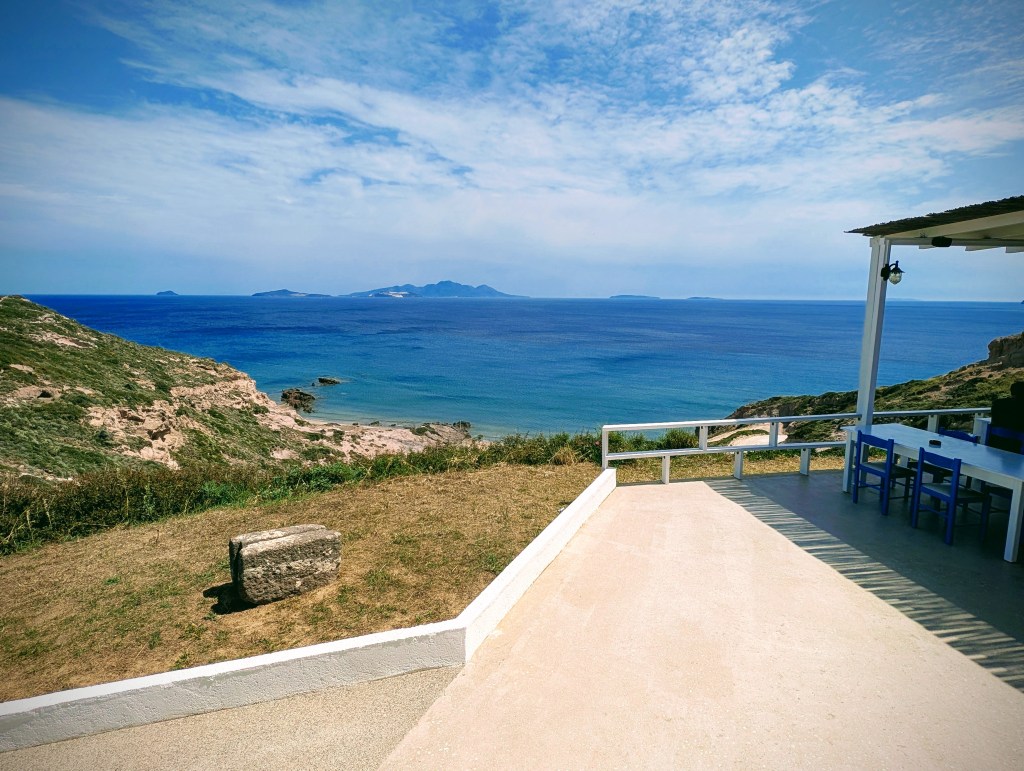
Blick vom Camel Restaurant zum Camel Beach/View from Camel Restaurant to Camel Beach

Mit unserer Entscheidung für das Grundstück begann auch eine Art Odyssee.

Wer verkauft es? – Leider ein Makler, der natürlich auch noch Provision möchte.

Wo bekommen wir einen Bauleiter her, mit welcher Fertighausfirma arbeiten wir usw.?

Zum Glück hatten wir bereits seit 2 Jahren Kontakt zu einem noch aktiven Makler, der aber auch eine eigene Dienstleistungs-Firma zusammen mit seinem Sohn, einem Architekten, hat. Er ist nun unser Bauleiter und betreut das ganze Bauvorhaben, mit Unterstützung seines Sohnes und Schwiegersohns, der eine Photovoltaik Firma betreibt.

Vorab hat er uns bereits eine Kostenaufstellung gemacht, so dass wir nicht „blauäugig“ in das Projekt starten.

Aber zurück zum Grundstückskauf und die Vorgehensweise, die etwas aufwendiger, als in D, ist.

Erst mussten wir einen Vertrag mit dem Makler schließen und zur Sicherung des Grundstücks seine Provision bezahlen.

Parallel dazu haben wir vor Ort auf Kos, mit Hilfe einer Steuerfachangestellten, unsere griechische Steuernummern (AFM) beantragt, dafür brauchte sie aber unbedingt meine Geburtsurkunde, übersetzt in Griechisch, was unser Anwalt auf Kos für uns erledigte.

Nun hat sich der Makler mit dem Verkäufer zwecks notwendigen Plänen in Verbindung gesetzt und unser Anwalt prüfte den Grundbucheintrag, damit wir nicht übers Ohr gehauen werden.

Diese Unterlagen (Höhenplan und Lage des Grundstücks) prüfte dann nochmals unser Bauleiter bzw. sein Sohn.

Da wir aber nicht, wenn notwendig, vor Ort sein können, braucht unser Anwalt eine Vollmacht, um alles, was mit dem Kauf, einschließlich des Kaufvertrages in unserem Namen zu erledigen.

Da auf Kos nicht jede Behörde mit einer Vollmacht, beglaubigt von einem deutschen Notar und mit einer Apostille durch ein Gericht versehen, einverstanden ist, brauchten wir eine Vollmacht, die von einem griechischen Konsulat oder Botschaft ausgestellt ist.

Leider ist das Konsulat in Frankfurt, das für Rh.-Pfalz, unserem Bundesland, zuständig ist, äußerst schwer erreichbar – telefonisch gar nicht, nur auf Email haben sie reagiert. Nach ca. 4 weiteren Wochen – 5 Monate nach unserer Entscheidung für das Grundstück – hatten wir nun endlich einen Termin und konnten, mit Hilfe einer zugelassenen Dolmetscherin, die Vollmacht unterzeichnen, die jetzt unser Anwalt bekommen hat.

Laut letztem Gespräch mit unserem Anwalt, muss er beim Notar nachhören, ob dieser nun alle für den Kaufvertrag notwendigen Unterlagen vom Verkäufer erhalten hat. Ein Termin zur Kaufvertragsunterzeichnung steht noch nicht fest.

Da alles etwas länger dauert, melde ich mich wieder, wenn es Neuigkeiten gibt.

English version!

Our decision to purchase the plot of land marked the beginning of a kind of odyssey.

Who is selling it—unfortunately, a real estate agent who, of course, also wants a commission.

Where can we find a construction manager, which prefabricated house company should we work with, etc.?

Fortunately, we had already been in contact for two years with a real estate agent who is still active but also has his own service company together with his son, an architect. He is now our construction manager and is overseeing the entire construction project, with the support of his son and son-in-law, who runs a photovoltaic company.

He has already provided us with a cost breakdown in advance, so we are not embarking on the project “naively.”

But back to the land purchase and the procedure, which is a little more complicated than in Germany.

First, we had to sign a contract with the real estate agent and pay his commission to secure the land.

At the same time, we applied for our Greek tax numbers (AFM) on Kos with the help of a tax clerk, but she needed my birth certificate, translated into Greek, which our lawyer on Kos took care of for us.

The real estate agent then contacted the seller to obtain the necessary plans, and our lawyer checked the land registry entry to make sure we weren’t being ripped off.

These documents (elevation plan and location of the property) were then checked again by our construction manager and his son.

However, as we cannot be there in person if necessary, our lawyer needs a power of attorney to handle everything related to the purchase, including the purchase contract, on our behalf.

Since not every authority on Kos accepts a power of attorney certified by a German notary and apostilled by a court, we needed a power of attorney issued by a Greek consulate or embassy.

Unfortunately, the consulate in Frankfurt, which is responsible for Rhine-Palatinate, our federal state, is extremely difficult to reach – not by phone at all, they only responded to email. After about 4 more weeks – 5 months after our decision to buy the property – we finally had an appointment and, with the help of a certified interpreter, were able to sign the power of attorney, which our lawyer has now received.

According to our last conversation with our lawyer, he has to check with the notary to see whether he has now received all the documents necessary for the purchase contract from the seller. A date for signing the purchase contract has not yet been set.

As everything is taking a little longer than expected, I will get back to you when there is any news.

Translated with DeepL.com (free version)